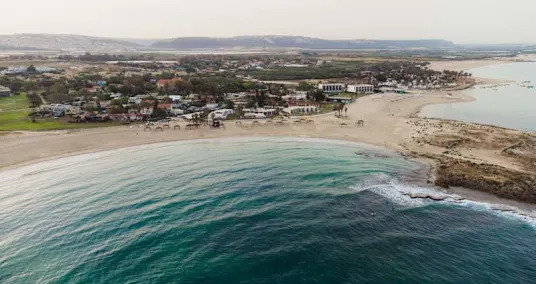
The discovery was made in an ancient shipwreck in the Dor Lagoon near the Carmel Coast, where archaeologists recovered nine pieces of unprocessed iron known as “blooms.”
Researchers from the University of Haifa said Wednesday that an underwater excavation off Israel’s northern Mediterranean coast uncovered what they described as the earliest known cargo of raw iron transported by ship, dating back around 2,600 years, Xinhua reported.
The discovery was made in an ancient shipwreck in the Dor Lagoon near the Carmel Coast, where archaeologists recovered nine pieces of unprocessed iron known as “blooms.” According to the university, the find provides direct evidence of how iron was transported in its earliest commercial stages.
The material was preserved in its original form, having solidified directly in a smelting furnace without undergoing forging or further refinement. Researchers said this distinguishes the cargo from later iron artifacts that typically show signs of shaping or tool-making.
Unlike copper and bronze, which could be melted into liquid form in ancient production processes, iron was heated with charcoal to produce a solid, porous mass. That mass was generally hammered to remove impurities and create denser material suitable for tools and implements.
The recovered blooms showed no indication of that secondary processing stage, suggesting they were transported immediately after production.

Earliest iron shipment discovered in ancient Mediterranean wreck
To determine the age and condition of the cargo, researchers conducted microscopic and chemical analyses.
Radiocarbon dating was also carried out on charred wood embedded in one of the pieces, helping confirm the timeline of the shipment. The findings were published in the journal Heritage Science.
Researchers said the cargo indicates that iron was being moved in raw form from production sites to other locations for further processing, pointing to a level of specialization in ancient manufacturing and trade networks in the Mediterranean.
The University of Haifa said the discovery provides new insight into early iron production and distribution practices in the region.
LATEST POSTS
- 1
 Heading to Florida for NASA's Artemis 2 moon launch? Here's what to know before you go
 - 235 million tons of food go to waste yearly in the US. Experts share tips to help stop it
- 3Sanofi to acquire hepatitis B vaccine maker Dynavax for $2.2 billion
- 47 Logically Demonstrated Techniques for Better Rest
- 5Space debris: will it take a catastrophe for nations to take the issue seriously?



- Exhaustive Experiences into Prudent Senior Living in the UK
- Former United Launch Alliance CEO Tory Bruno joins competitor Blue Origin for national security projects
- Israeli strikes in Gaza kill 25 people, Hamas health authority says
- Air Canada CEO To Resign After Backlash—Here’s Why Communication Skills Is Now A Leadership Requirement
- Wegmans recalls mixed nuts over salmonella contamination fears
- What to know about the "wild, wild West" of viral peptide claims
- Israeli tourist data from 2025 misrepresented as mass exodus to Thailand
- Audits of Espresso Types: Which Mix Is for You?
- 25 Years Ago, Audi's Rosemeyer Concept Was A Steampunk Supercar With A Massive Engine