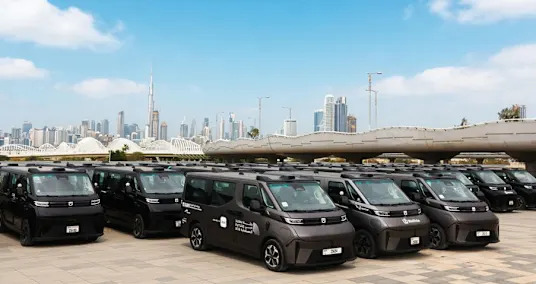
The dream of driverless taxis continues in the Gulf, where the conflict with Iran has slowed but not stopped progress on autonomous transport in Abu Dhabi, Dubai, and Riyadh.
Uber and WeRide added another driverless route in Saudi’s capital this week, linking shopping centers Hayat Mall and Riyadh Gallery. The expanded service comes after the vehicles completed more than 1,700 trips in a trial phase, according to the regulator.
Uber and WeRide have also launched fully driverless services in Dubai, beginning in popular residential and commercial areas Jumeirah and Umm Suqeim, with no safety monitor on board. Separately, Dubai Taxi Company plans to deploy more than 1,000 driverless cars in the city with Baidu’s Apollo Go, starting with a fleet of 50 this year. Earlier this month, Autogo, part of Abu Dhabi-backed technology company K2, began offering rides on Yas Island, and it plans to expand to Saadiyat and Al Maryah islands.
All this is bad news for the region’s taxi drivers, a largely South Asian group whose business is already down due to the conflict with Iran.
LATEST POSTS
- 1
 Artemis II live updates: NASA's historic moon mission set to make lunar flyby today
 - 2Hostile to Maturing Skincare Items to Rejuvenate Your Skin
- 3Top 20 Compelling Business Books for Progress
- 4Far-right leader Le Pen to attend Brigitte Bardot's funeral
- 5Is Iran using cryptocurrencies to circumvent sanctions?



- Knesset FADC extends emergency draft for 280,000 IDF reservists until January 1
- Cheetah, Hammerhead Shark, and 38 Other Animals in Danger of Extinction Receive New International Protections from U.N.
- Moderna to complete US mRNA manufacturing network with $140 million investment
- Will your baby get a hep B vaccine? What RFK panel's ruling means.
- The Main 10 Natural life Protection Associations
- Excited visitors for NASA's moon launch jockey for prime views
- Industrial zone damaged in Negev, falls in Sharon area after Iran fires missiles towards Israel
- Rediscovering Euphoria: Individual Accounts of Conquering Despondency
- Scientists may be overestimating the amount of microplastics in the environment – and the culprit is lab gloves